The Fifield & Crystal Residences Investigation
When a development project doesn’t have genuine community support, how far will those behind it go to manufacture the appearance that it does?
This is the story of how a fight over a historic Coral Gables garden grew into an investigation involving false addresses, sworn testimony, fraudulent petitions, paid public speakers, political money, and a criminal network that appears across controversial development fights throughout South Florida.
It is also the story of what happened after residents exposed it — and why, to this day, the public is still waiting for answers about who organized the operation, who knew about it, and why meaningful accountability has yet to follow.
A Neighborhood at Arms
At 110 Phoenetia Avenue in Coral Gables sits the Garden of Our Lord, a historic Biblical garden that has been part of the community for more than 75 years. Designed by renowned South Florida architect Robert Fitch Smith in 1951, the garden contains coral-rock grotto, memorials, plaques honoring local veterans and a mature tree canopy that includes roughly 150 trees. One enormous live oak on the property is estimated to be more than 200 years old.
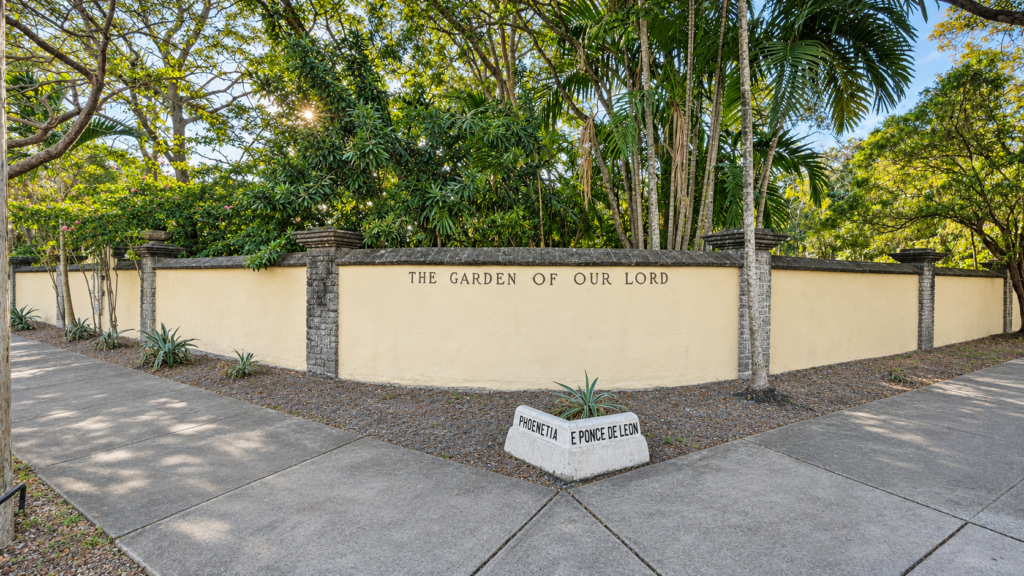
This is not an empty lot waiting to be developed.
It is a piece of Coral Gables history.
For the past five years, however, this relatively small piece of land has sat at the center of an increasingly bitter development fight. The property was purchased by Sergio Pino owner of Century Homebuilders in 2021 for $9.8 million. After Pino became the subject of an FBI murder-for-hire investigation and later died by suicide, Fifield Companies, led by Chicago developer Steve Fifield, became involved in the redevelopment effort.
The proposed project became known as Crystal Residences. The plans call for a nine-story development containing 184 residential units, 16 live-work units, and a parking garage containing 301 spaces. The project would rise to approximately 93 feet on a property surrounded largely by much lower residential development.
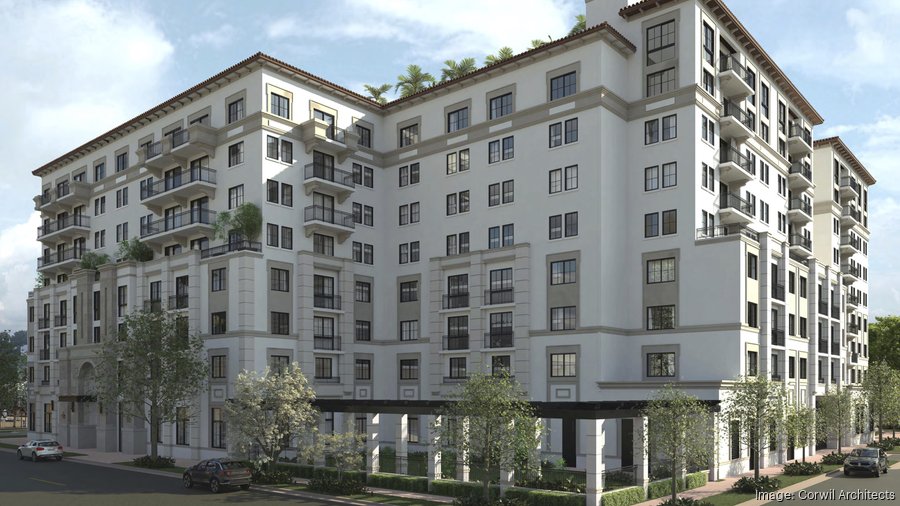
Residents opposed the size of the project, the additional traffic it would bring into an area already struggling with congestion, and the effect a nine-story development and 301-space parking garage would have on the surrounding residential neighborhood. But the opposition went beyond traffic and density. Residents also saw the project as the destruction of a piece of Coral Gables history — a 75-year-old garden, memorial space and mature landscape being replaced by luxury development. For a city that has built so much of its identity around preservation, architecture and protecting its historic character, the proposal seems completely at odds with what Coral Gables stands for.
But Fifield’s arrival marked a turning point.
Almost immediately, residents began noticing unfamiliar faces appearing at public meetings in support of Crystal Residences, all of them claiming to live in Coral Gables despite being unknown to longtime residents. Some struggled to pronounce the names of the streets they claimed to live on, while others had to read their own addresses from their phones. At times, some seemed not even to understand the project they had come to support.
Suspicious Addresses
Eventually, residents started checking the addresses, and what began as suspicion quickly became something much more serious. What they found was shocking. Every address they checked turned out to be fraudulent. Some simply did not exist. Others belonged to commercial properties or businesses. In other cases, residents living at the addresses said they had never heard of the people claiming to live there.
There was a clear pattern: people were appearing at government meetings in Coral Gables, presenting themselves as local residents, and using addresses that were not their own — all in an effort to support a development project that local residents had opposed. The situation became even more serious because these statements were made during quasi-judicial proceedings, where speakers were sworn in before giving testimony. These were no longer just questionable appearances at public meetings. People were giving false information about who they were and where they lived while speaking directly to the government under oath.
By the time residents finished checking the addresses, they had identified 17 people using false residency information. At that point, the question was no longer whether something was wrong. It was who was behind it. Seventeen people do not just randomly show up to government meetings, pretend to live in Coral Gables, and lie under oath to help push through the same controversial development — especially when doing so could expose them to serious legal consequences, including perjury charges.
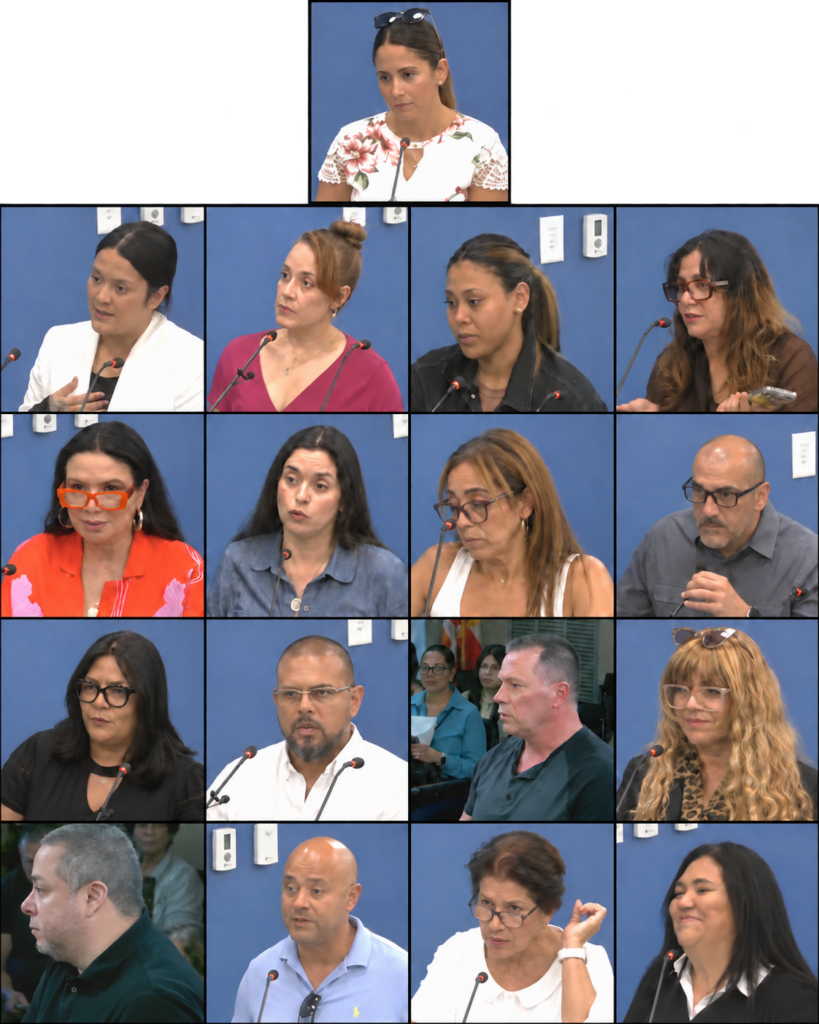
So who was organizing them? Were they being paid? Who recruited them? And why were they willing to take that kind of risk for a project in a community they did not even live in?
Fraud Behind The Support of Crystal Residences
Until August 25, the full extent of what residents had uncovered was largely unknown. Then attorney David Winker, representing activist Bonnie Bolton, brought the evidence directly before the Coral Gables City Commission. Winker began his presentation with a warning that the issue had moved far beyond zoning, traffic or the size of the development. “Today I want to speak about something a little more serious,” he told commissioners. “And that topic is fraud.”
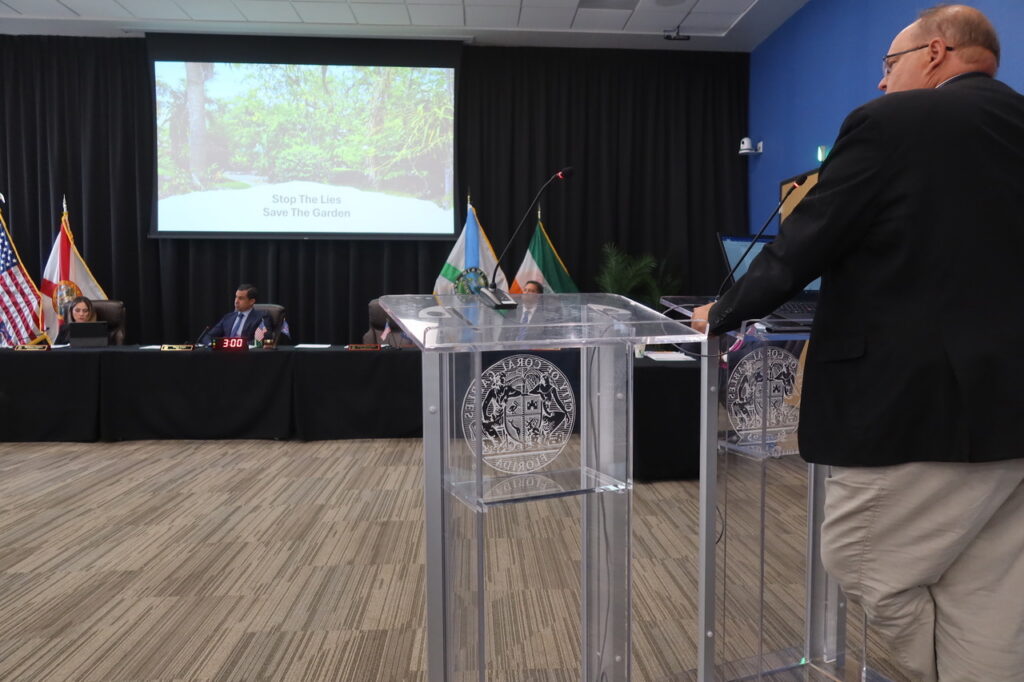
He then began going through the speakers one by one. Video clips showed people appearing before the City and giving Coral Gables addresses. Winker followed those clips with the results of the residents’ investigation: addresses that did not exist, commercial buildings with no residential apartments, signed statements from building management, and residents saying they had never heard of the people claiming to live at their homes.
For the first time, the public could see the scale of what had been happening.
This was not one person giving a bad address. Residents had identified 17 individuals using false residency information while appearing in support of the same development project. Many appeared repeatedly throughout the approval process, giving Crystal Residences the appearance of having a much larger base of local support than it actually did.
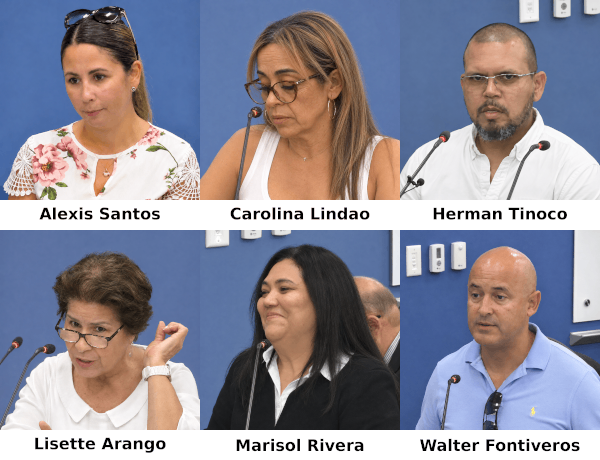
There is a name for this type of operation: astroturfing.
Astroturfing is the practice of disguising an organized corporate or political campaign as a genuine grassroots movement. Instead of real residents independently organizing in support of a project, an outside operation creates the appearance that they have.
Fifield Companies was facing organized opposition from people who actually lived around the Garden of Our Lord. Having a developer, attorney or consultant speak in favor of Crystal Residences would have surprised nobody. Having supposed Coral Gables residents repeatedly appear at government meetings and say that they supported the project created something far more valuable: the appearance that the neighborhood itself was divided.
This astroturfing organization was pervasive throughout Fifield’s push to get Crystal Residences approved. The final meeting on August 25, 2026 is a perfect snapshot of just how bad things were. That afternoon, 19 members of the community came forward to oppose the development. Thirteen people spoke in support.
Of those 13 supporters, 12 were connected to the same organization and did not actually live in the community.
Twelve out of thirteen.
That means roughly 92% of the people speaking in support of Crystal Residences that night were part of the same organized campaign. And the one person speaking in favor was a board member of a small school connected to the project.
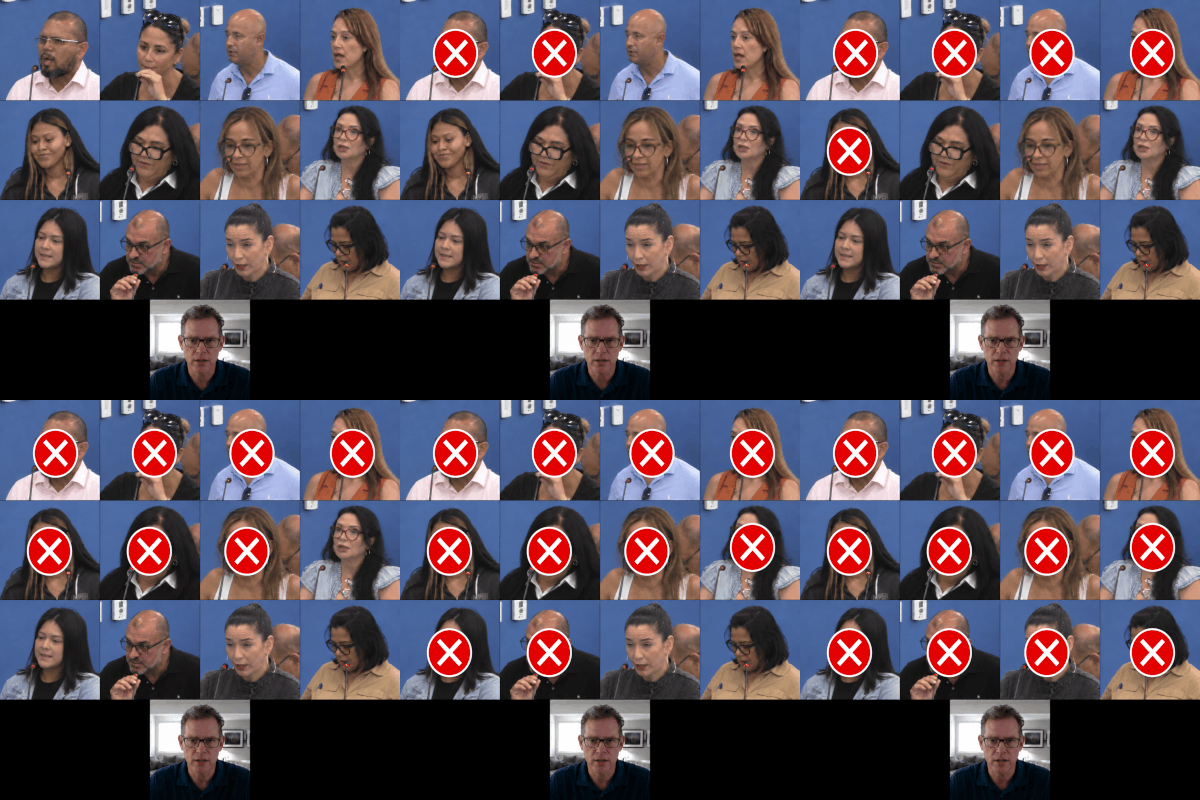
Strip away the manufactured support, and the picture becomes clear: virtually no independent neighborhood support for Crystal Residences remained. And that is precisely why this astroturfing campaign existed — to manufacture the appearance of community support where none existed.
Manufacturing Support on Paper: The Petition Fraud
Another method Fifield used to create the appearance of local support was a large support-letter campaign. The letters were mostly generic endorsements praising Crystal Academy, while saying little about the actual development being proposed — its nine-story height, its size, the 301-space parking garage, or the historic garden that would be destroyed to make way for it. Yet these letters were repeatedly presented as evidence that Coral Gables residents supported Crystal Residences.
Fifield’s attorney, Jorge Navarro of Greenberg Traurig, pointed to the letters before the City Commission as proof of community support. Fifield’s own Sarina Sorrentino, Vice President of Finance and Development, also promoted the campaign publicly as evidence that hundreds of nearby residents backed the project while on the news. Fifield’s team worked hand in hand with a woman named Alexis Santos to help produce these letters. There was one major problem: Alexis Santos was part of the same astroturfing operation.
She had repeatedly appeared at public meetings supporting Crystal Residences while falsely claiming to be a Coral Gables resident and providing a false address under oath. The woman helping generate hundreds of letters supposedly proving local support was herself using a fake local identity to support the project. Once residents started digging into the letters, the whole campaign began to fall apart. Some of the letters were tied directly to people already exposed as part of the astroturfing operation. Others came from people who did not even live in Coral Gables.
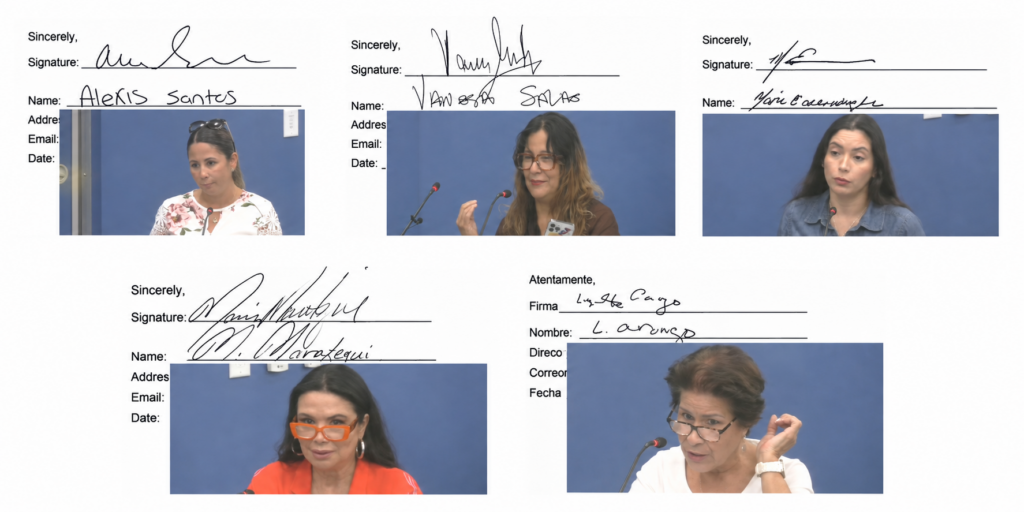
What Fifield had been presenting as proof of broad neighborhood support was once again another manufactured campaign — built to create the illusion that Coral Gables residents backed Crystal Residences when they did not.
Crystal Residences Wasn’t the Only One
But Crystal Residences was far from the only project targeted by this astroturfing conspiracy. While the organization was manufacturing the appearance of community support in Coral Gables, the same people were appearing at public meetings across South Florida, backing other controversial development projects facing fierce opposition from the communities around them.
The locations changed. The developers changed. But the same faces kept showing up.
What residents had uncovered in Coral Gables was only one piece of a much larger operation.
Calusa Development
The Calusa project was another major development fight in Miami. GL Homes wanted to redevelop a 168-acre former golf course with hundreds of homes, while nearby residents opposed the project over traffic, flooding, the loss of open space, and a bird rookery on the property where threatened tricolored herons and other protected birds were nesting.
When residents went back through footage from earlier development fights, they found that the same astroturfing network exposed in Coral Gables had already been operating at Calusa. Many of the same people who appeared in Coral Gables posing as local supporters of Crystal Residences had also shown up at Calusa hearings, backing another controversial project in another community.
BlueNest Development in Homestead
BlueNest was another major development fight, but here the stakes were even higher. Residents were fighting large-scale development in rural and environmentally sensitive areas, and feared that the projects could put private property and longtime homes in the path of road expansions, opening the door to aggressive efforts to acquire land from people who had lived there for years.
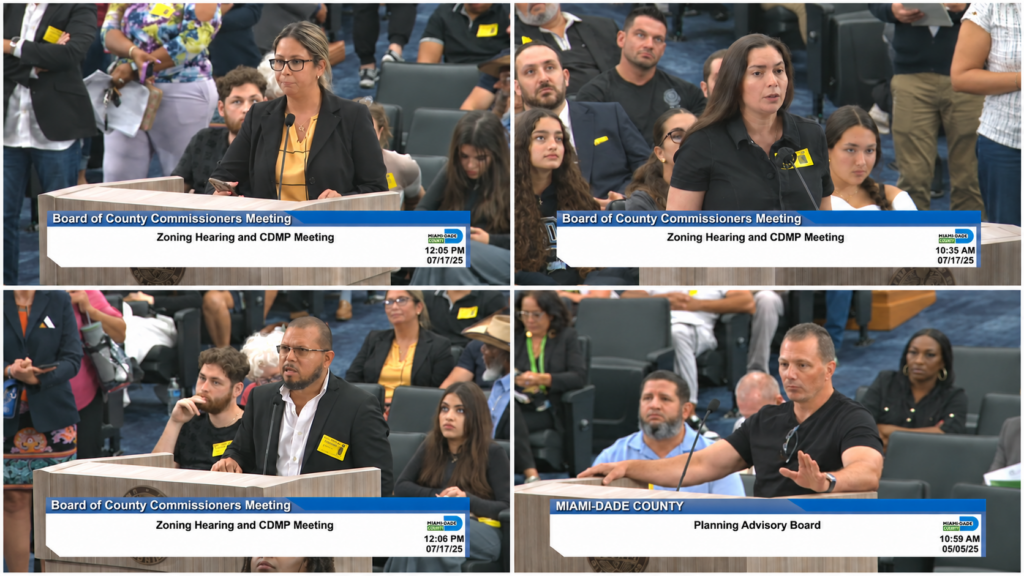
What made BlueNest especially revealing was that the residents themselves had already caught on to the fake support. They knew people were being brought into public hearings to create the appearance of community backing, and they openly called it out from the podium.
And once again, the same faces showed up — people who had appeared at Calusa and in Coral Gables supporting Crystal Residences.
Other Development Projects
The organization appears to have operated from a much larger pool of people, with different members showing up at different projects. That means the individuals identified so far may represent only part of the network. There were likely others at the meetings already uncovered — and at other hearings across South Florida — who have yet to be identified. And this was not a short-lived operation. These appearances stretched across South Florida for years.
Kendall Office Center
In 2023, several familiar faces appeared at a hearing supporting another controversial project, the Kendall Office Center. Among them were Alexis Santos, her son Anthony, Vanessa Salas and Monica Morales.
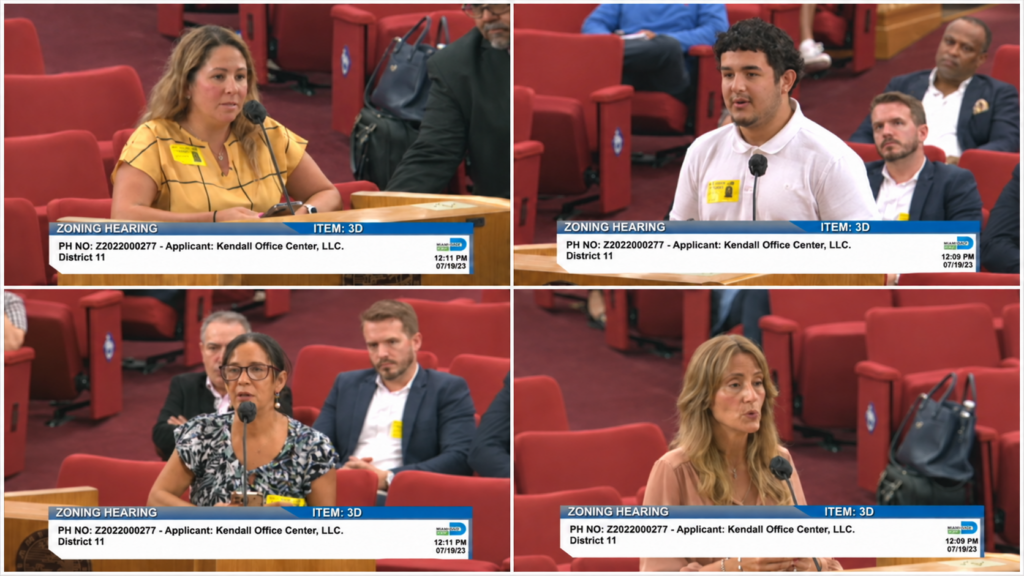
But Morales left behind one detail that would become important: the address she provided.
When residents traced that address, it led them directly to one man — Tim Hyman.
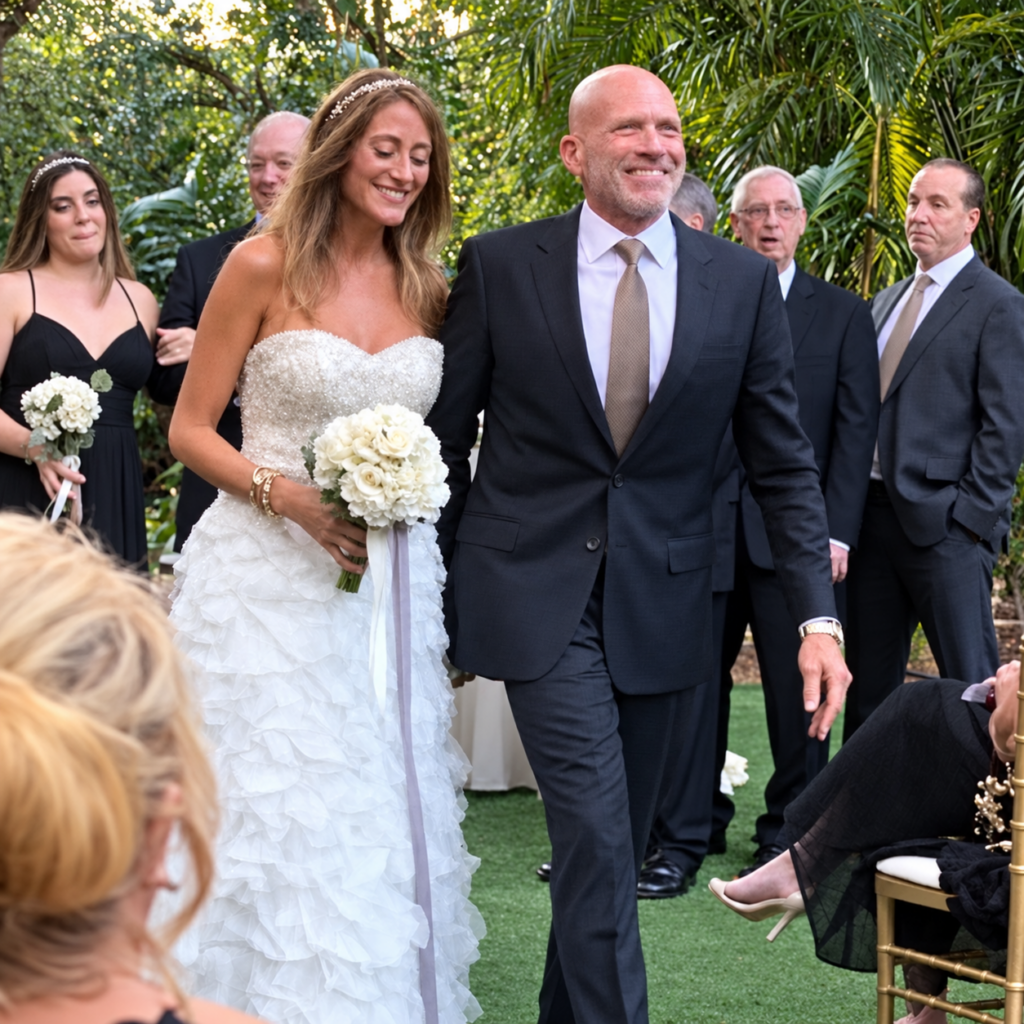
Who Is Tim Hyman?
Tim Hyman wasn’t just another name connected to one of these hearings. He runs Community Action Consultants, a company that openly markets itself to developers looking to build public support for controversial projects.
In its own words: “We specialize in community outreach for development projects. Building consensus and support for multiple types of projects. Commercial, residential, industrial, are just a few. Convent releases and petition drives. We bring balance to the public hearings.”
But what residents uncovered looked nothing like “balance.” It was fake residents, false addresses, manufactured support and people appearing at government hearings pretending to represent communities they did not live in.
Community Action Consultants appeared to offer developers something much closer to a concierge astroturfing service — deception on demand for projects facing serious local opposition. And according to people familiar with South Florida development circles, operations like this are something of an open secret: widely known, rarely discussed publicly, and used by developers willing to lie, cheat and cross legal lines to force through projects the surrounding community opposes.
And Hyman wasn’t merely connected to the people residents had identified. He was working directly with Fifield as a consultant on Crystal Residences.
As Fifield faced intense opposition from the surrounding neighborhood, Hyman’s operation was there. Members of the same network appeared at meetings supporting the project. The support was repeatedly presented as evidence that Coral Gables residents backed Crystal Residences.
Wherever members of Hyman’s network appeared, Hyman himself was often nearby — sitting in the room, watching as supposed “local residents” took the microphone and delivered support that residents would later expose as fraudulent.
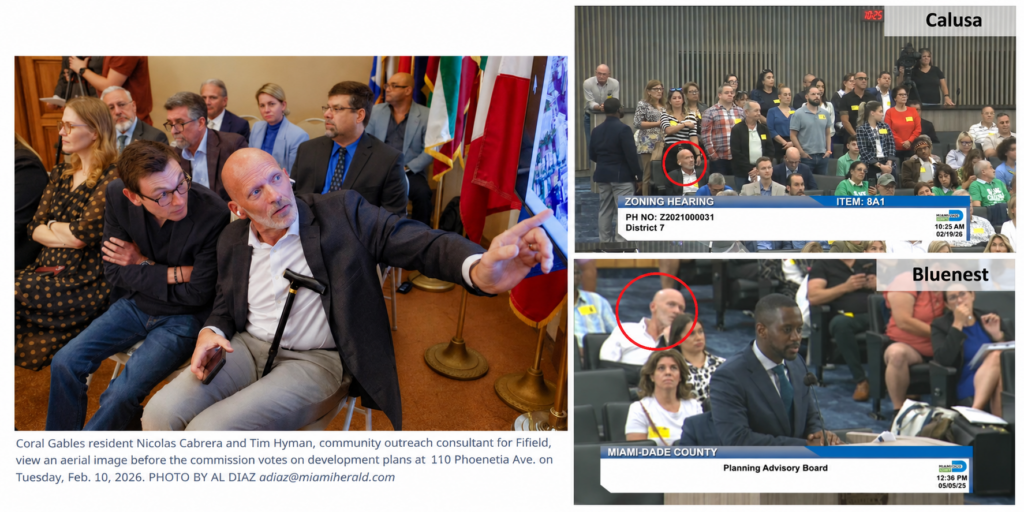
What had initially looked like a collection of random outsiders was beginning to make much more sense.
They were connected. They were organized. And their presence was felt across South Florida, moving from project to project with impunity.
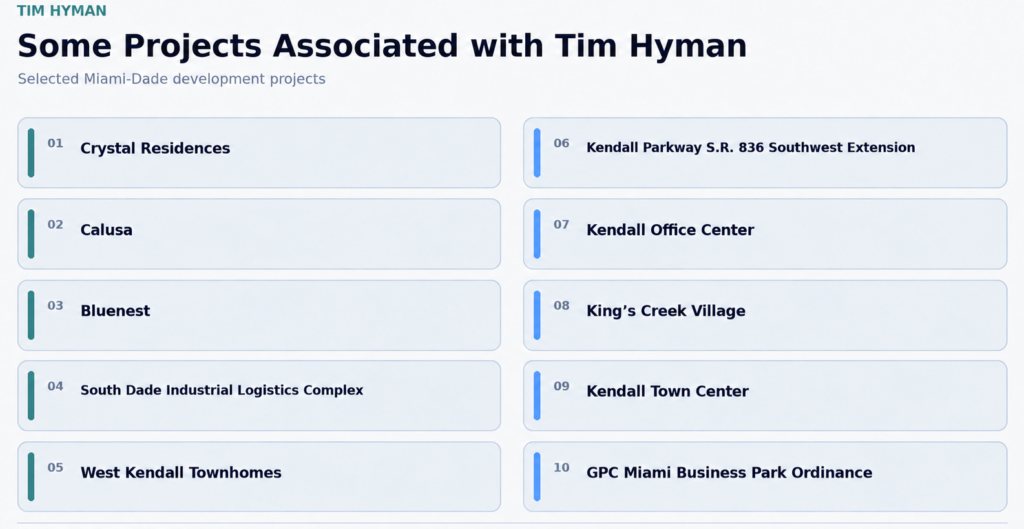
836 Expressway Extension
The pattern around Hyman stretches back years. In 2018, he was publicly supporting the proposed extension of State Road 836, another controversial project facing fierce community opposition over traffic, urban sprawl, wetlands and the threat to the Everglades.
During that fight, the Miami Herald uncovered something remarkable: FIU students were being offered $75 through a text message to show up at a County Commission hearing, speak in favor of the project, and use a provided script. The person behind the offer was never publicly identified.
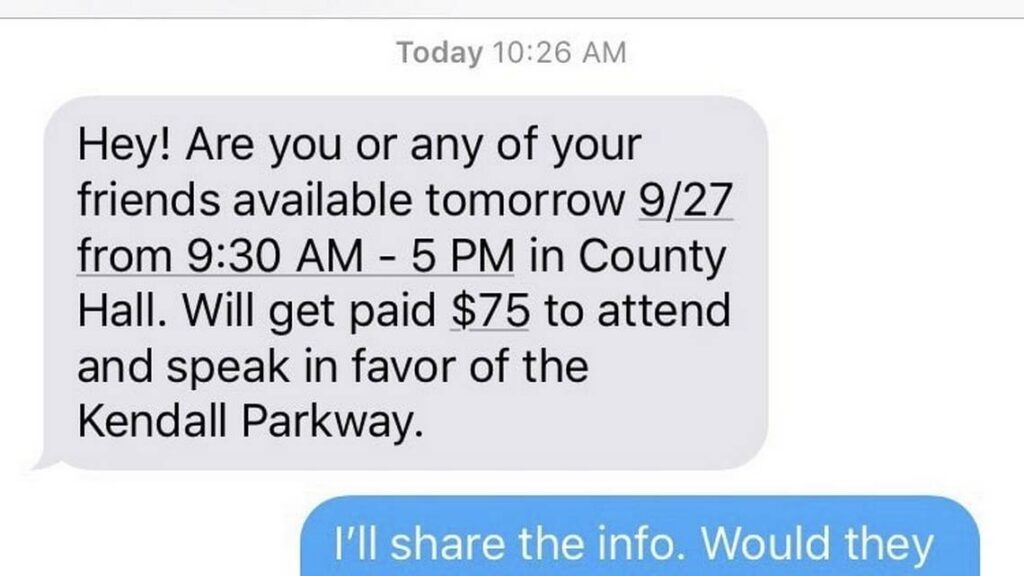
Once again, the pattern was hard to ignore. Crystal Residences. BlueNest. The 836 extension. Different projects, different years, but the same problem kept surfacing: manufactured public support appearing around controversial development fights.
And once again, nobody was held accountable.
Why did this keep happening? Was it simply weak oversight? The influence of developers with deep pockets? Or were government officials helping protect the very people who were abusing the public process and breaking the law?
How City Hall Responded
Uncovering the operation was only half the story. The other half was what happened once the evidence was placed directly in front of Coral Gables officials.
Mayor Vince Lago’s reaction was striking. For someone who had spent more than a decade in Coral Gables politics, he seemed remarkably uncomfortable as the evidence was laid out in front of him. He turned away, left his seat, moved around the chamber, and at one point stood near the window whispering with the city attorney while Winker continued his presentation.
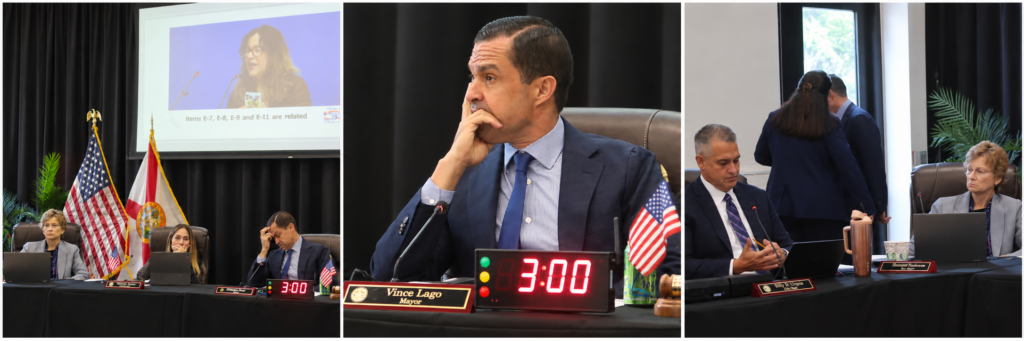
Then Lago went a step further. He tried to shut Winker’s presentation down altogether. Winker was forced to cut it short, and instead of pressing Fifield’s team about the false addresses, sworn testimony and fraudulent support campaign surrounding their project, Lago turned on Winker himself — berating him and arguing that anyone could come before the Commission and make whatever claims they wanted.
The contrast was hard to miss. Residents had spent months checking addresses, interviewing occupants, gathering statements and tracing the people appearing in support of Crystal Residences. Yet Lago never turned to Fifield’s team and demanded to know who had organized these speakers, what they knew about the false residency claims, or why a project supposedly backed by the community had become surrounded by manufactured support.
Instead, the pressure fell on the people exposing it.
After everything residents had brought forward, the message seemed clear: their voices, their evidence, and their concerns didn’t matter.
And that raises an obvious question:
Why was the mayor so quick to dismiss the concerns of his own residents — yet so forceful in his support of an out-of-town developer whose project had just been connected to a major astroturfing scheme?
Let’s Follow the Money
Over just four days — June 25 through June 28 — people and firms connected in various ways to Crystal Residences contributed a combined $16,500 to a PAC tied to Mayor Vince Lago. Most of that money arrived within a roughly 48-hour window. Then, just nine to twelve days later, came the first vote. On July 7, Lago voted to move Crystal Residences forward.
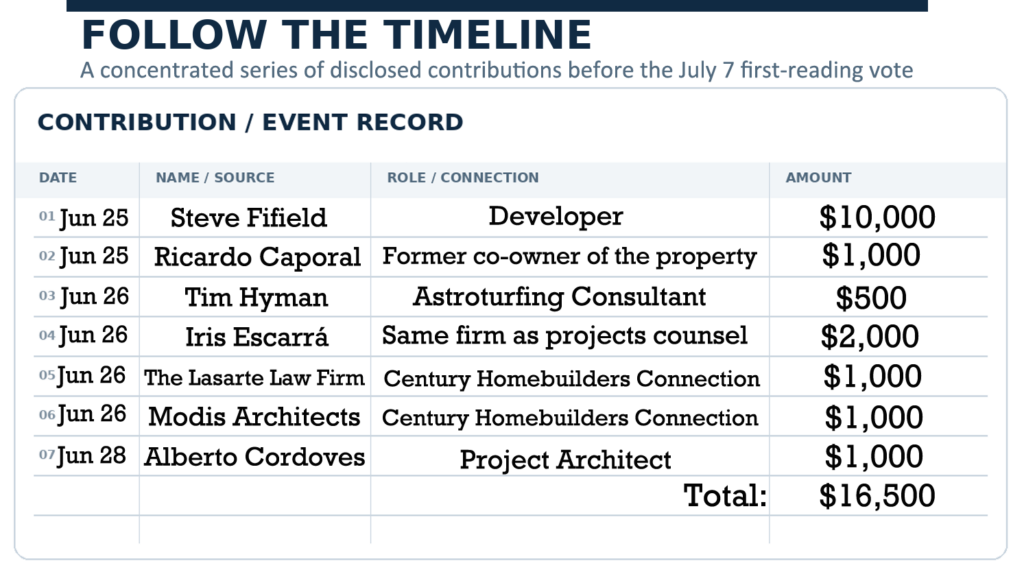
The final vote came on August 25. By that point, David Winker had already laid out extensive evidence of fraud, false residency claims and manufactured support surrounding the project. Lago voted yes again, despite the outcry from residents and despite everything that had been uncovered. That sequence raises an obvious ethical question: was this simply political fundraising, or was it pay-to-play?
To little surprise, Vice Mayor Rhonda Anderson and Commissioner Richard Lara joined Lago in voting yes. By then, both had become reliable parts of the Lago political machine — a three-vote bloc so consistent that it was obvious that Anderson and Lara were subservient to Lago rather than independent voices on the Commission. Crystal Residences was no exception.
Melissa Castro cast the lone dissenting vote that day.
Another Link to City Hall
After the final vote, Lago called for an investigation into everything that had just been uncovered. Three days later, the PAC tied to Lago refunded Tim Hyman’s $500 contribution. No reason was given for the refund.
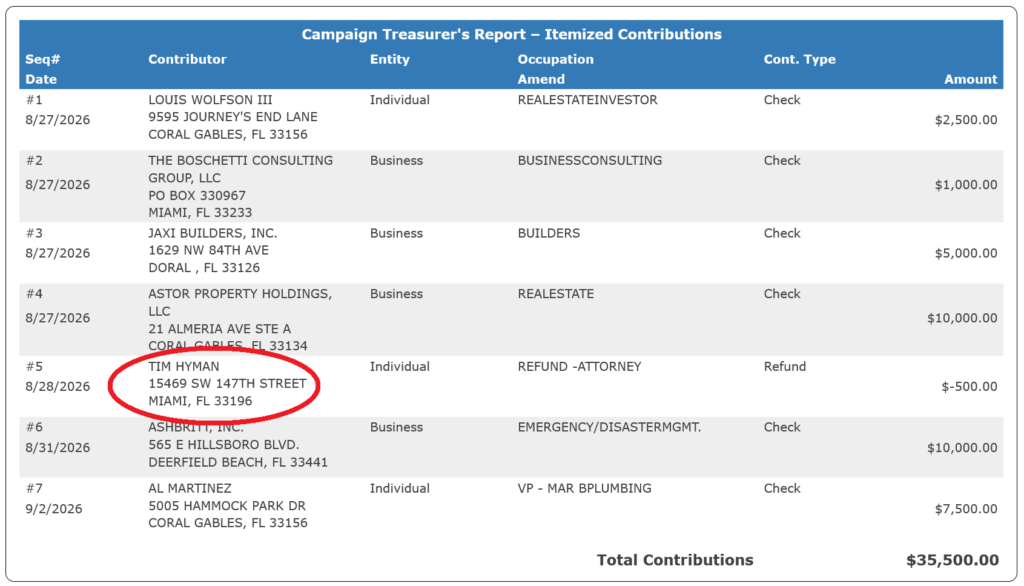
Since then, the investigation has produced no public answers. And whenever the issue resurfaced, Lago and his allies increasingly turned their criticism toward the people pressing for answers rather than the operation that had been exposed.
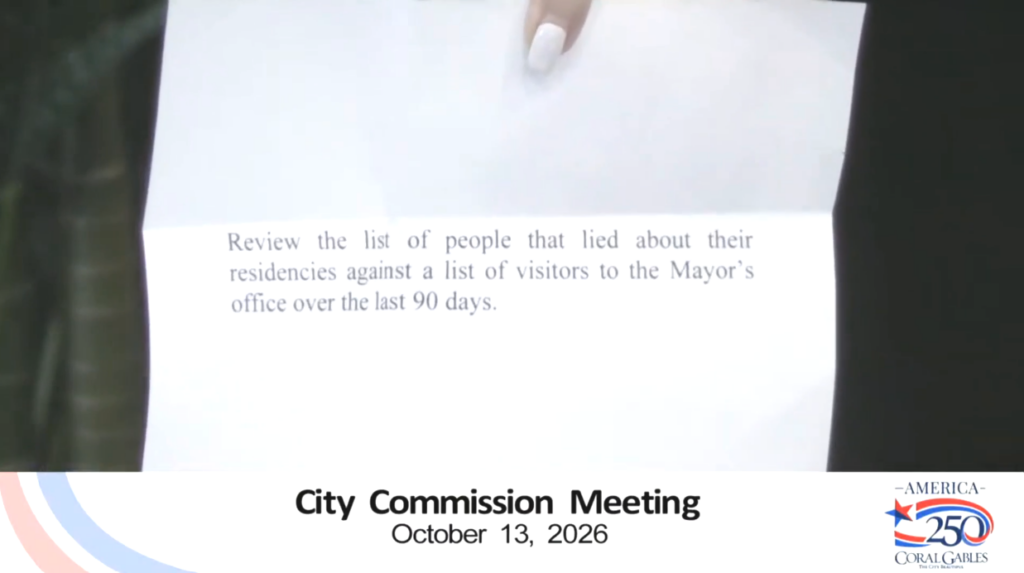
But the story did not end there. On October 13, Commissioner Melissa Castro brought forward new information that raised even more questions about Lago’s connection to the operation. Castro had received an anonymous letter urging her to compare the visitor logs from Mayor Lago’s office with the names of people tied to the astroturfing campaign.
The letter added another troubling thread linking City Hall to the operation.